

Why Caribbean radio still holds in the digital era
Trinidad radio earned more in 2024, yet Jamaican surveys show fewer listeners. What the numbers say about radio, and how to use it alongside social media.
Trinidad and Tobago's 37 radio stations earned TT$120.3 million in 2024, up 6.7 percent on the year before, while free-to-air TV earned less. In Jamaica, though, the latest industry survey suggests fewer people are tuning in than in 2020.
For a business deciding where to spend its advertising money, the honest answer is that radio still works for some customers, and the numbers vary more than sales decks admit.
What the official figures show
Trinidad and Tobago: revenue is growing
The Telecommunications Authority of Trinidad and Tobago (TATT) publishes yearly figures for the whole broadcasting market. Its 2024 Annual Market Report shows radio holding up well:
| Year | Free-to-air radio revenue (TT$) |
|---|---|
| 2020 | 107.8 million |
| 2021 | 99.6 million |
| 2022 | 116.4 million |
| 2023 | 112.7 million |
| 2024 | 120.3 million |
Free-to-air TV, by contrast, earned TT$42.1 million in 2024, down 3.2 percent. Radio now earns almost three times as much as free TV in Trinidad and Tobago.
Some owners run several stations. TATT's measures of market concentration show ownership is moderately concentrated, even though there are many station names on the dial.
Jamaica: fewer listeners
Jamaica's All Media Survey, run by Market Research Services Limited, is the main audience study there. According to Prism Marketing Consultants, the 2023 survey put radio listenership at about 796,000 people, or 28 percent of the population. That was down from 885,000 in 2020. The full survey and its exact definitions are not public, so treat these figures with care.
The same report says Jamaica has more than 42 stations, but the top 10 hold 87 percent of listeners. IRIE FM led with a 23.4 percent share.
The numbers don't agree
A widely shared 2026 report from Hope Research Group says radio reaches 82 percent of Jamaican adults every day, and 78 percent across the region. That is far higher than Jamaica's own survey suggests.
The gap may partly come from different definitions, such as "listened at all this week" versus "listened yesterday." Either way, the Hope figures could not be matched to an independent survey. We covered other problems with that report in our ad spend post.
The lesson for advertisers is to ask any station for its source, fieldwork date and the time slot the number refers to.
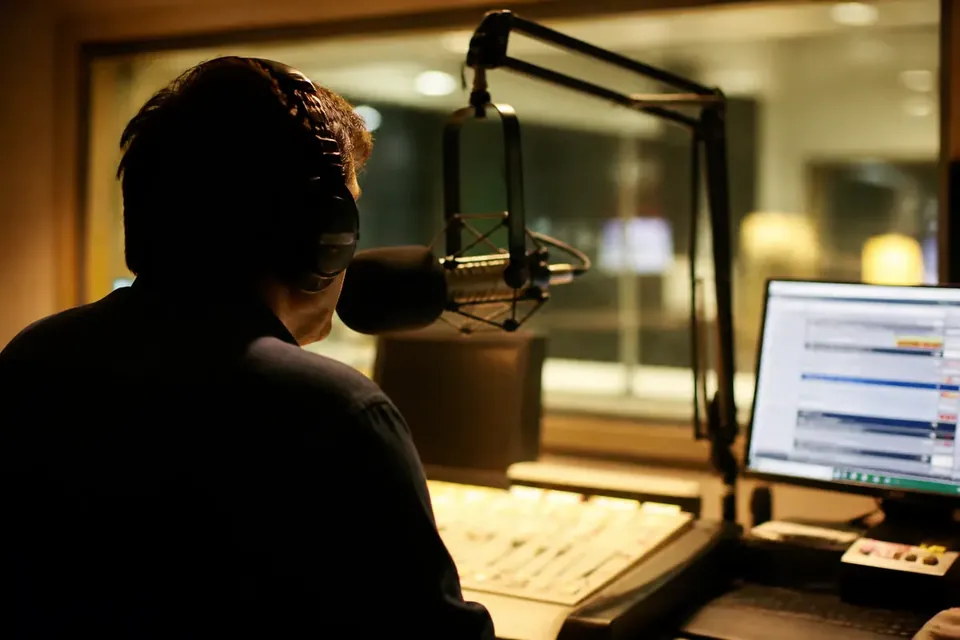
Why radio keeps its place
Even with fewer listeners in some markets, radio has strengths that social media can't easily copy.
It plays in public
Taxis, maxis, barbershops, hardware stores and building sites run the radio all day. That repeated, shared listening is a different kind of attention from a phone screen, but it reaches many people.
It's fast
A live read on a morning show can go out the same day. That suits sales, fetes, concerts and public notices better than a long social media campaign.
Hosts carry trust
Local morning shows and call-in programmes have loyal audiences. A host's recommendation can move a product in a way a stranger's video often can't.
It costs listeners nothing
FM radio doesn't use mobile data. That still matters for households watching their data plan.
Who has moved to streaming
The shift away from radio is mainly among younger listeners, who use Spotify, YouTube and TikTok. Radio's strongest audience is older adults, who also tend to make big household decisions about banking, insurance and groceries.
Stations now stream online and post clips to social media. That widens their reach, including to people abroad, but it also raises music licensing questions. Our post on carnival music rights covers how artists get paid.
How to use radio in your marketing
- Use radio when you need broad reach among older adults or a same-day push.
- Use social media for targeting specific groups and testing different messages.
- Make sure someone answers the phone and WhatsApp when the ad runs. A radio spot that sends people to an unattended number wastes money.
- Ask stations for their audience source before you buy.
What to watch
Watch for TATT's 2025 market report, which will show whether radio revenue kept growing. In Jamaica, watch for a new All Media Survey and whether listener numbers keep falling. If you advertise on radio, track calls and walk-ins during each campaign so you have your own numbers, not just the station's.