
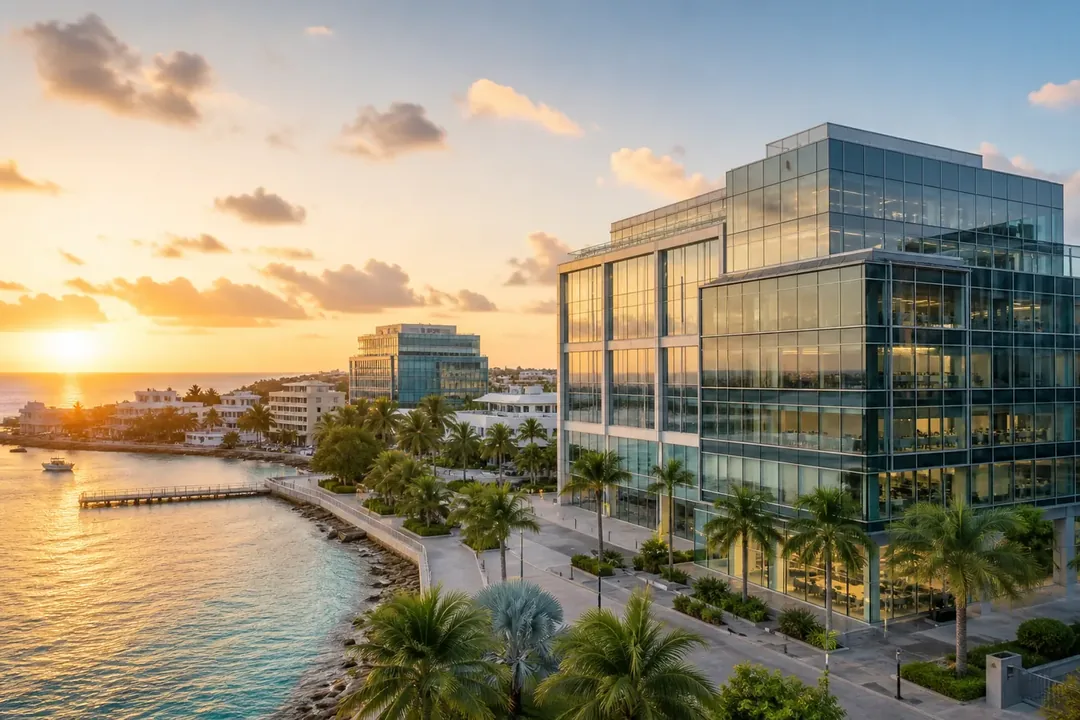
Barbados and Cayman as fintech and services hubs
Barbados just passed a crypto licensing bill in its House; Cayman already hosts over 30,000 funds. How the two hubs differ and which suits your business.
On 6 October 2026, Barbados's House of Assembly passed a bill to license crypto and other digital asset businesses. It moves Barbados a step closer to the Cayman Islands, which has regulated these firms since 2020 and is one of the world's biggest homes for investment funds.
Both islands call themselves fintech hubs, but they sell very different things. Knowing the difference can save a Caribbean founder a lot of money in legal fees.
Barbados: building a hub for operating companies
Barbados is pitching jobs and modernisation. Its government wants fintech firms that hire locally, not just companies that register an address.
A new law for digital assets
The Virtual Asset Service Providers Bill, 2026 passed all stages in the House of Assembly in a single sitting and now sits with the Senate. Under the bill, anyone offering crypto services in or to Barbados needs a licence, a provisional licence or a registration. Operating without one carries a fine of up to BDS$200,000.
The regulator will be the Financial Services Commission (FSC), which already supervises insurers, credit unions, securities firms, mutual funds and pensions. The FSC ran a public consultation earlier in 2026 and published a consultation paper in April. Until the Senate passes the bill and it takes effect, Barbados does not yet have a working licence regime for these businesses.
A conference that brings the money in
Barbados also hosts FinTech Islands (FiX), billed as the Caribbean's main global fintech conference. FiX25 ran from 22 to 24 January 2025 at Sam Lord's Castle, with organisers promising 700 attendees. The next edition, FiX27, is set for 27 to 29 January 2027 and will host the Caribbean semi-final of the Startup World Cup.
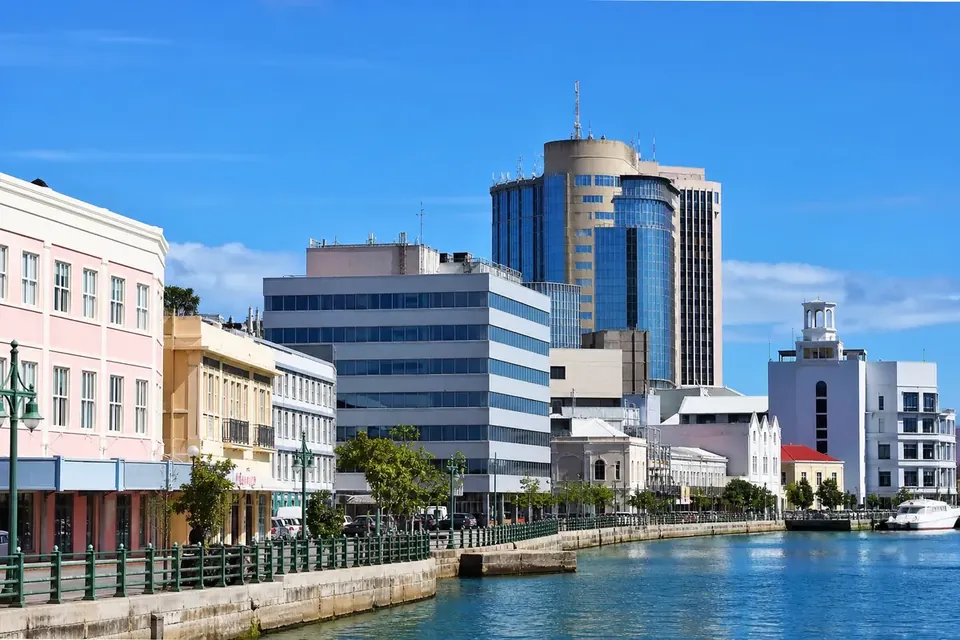
Cayman: funds first, then a tech zone
Cayman starts from a very different place. It is a British Overseas Territory and one of the largest fund centres in the world.
According to the Cayman Islands Monetary Authority (CIMA), the territory had 13,187 mutual funds and 18,360 private funds at the end of the third quarter of 2026. Industry group Cayman Finance says Cayman funds held about US$16 trillion in total assets at the end of 2024.
Cayman Enterprise City
For tech firms, the front door is Cayman Enterprise City (CEC), the only operator of Cayman's special economic zones. A special economic zone is an area with its own tax and immigration rules. CEC says its zone offers:
- setup in four to six weeks
- full foreign ownership
- renewable five-year work permits
- no corporate, income, sales or capital gains tax, guaranteed until 2061
CEC reports more than 485 zone companies. Its parks cover internet and software, media, science and technology, and commodities and derivatives, including virtual asset trading.
There is one catch. A zone licence lets a company operate in Cayman, but any regulated activity, such as running a fund or a crypto exchange, still needs a separate CIMA licence or registration.

Which hub suits which business
| If you are... | Barbados | Cayman |
|---|---|---|
| A CARICOM startup selling to Caribbean customers | Closer to regional markets and policy talks | Less relevant unless you raise global funds |
| A crypto or trading firm | New law, still waiting on the Senate | Rules in place since 2020 |
| A fund manager | Mutual funds regulated by the FSC | Deep pool of lawyers, auditors and administrators |
| A tech team needing visas fast | Normal immigration process | Zone work permits in as little as five business days |
Neither island solves problems at home. A Barbados licence does not open a merchant account in Port of Spain, and a Cayman office does not replace local payment licences. For selling to Caribbean customers, payment options like Wam in Trinidad and remittance-friendly checkout matter more.
What to watch
Watch the Barbados Senate. Once the bill becomes law, the FSC will need to publish its licence fees, capital rules and application process, and those details will decide whether crypto firms take Barbados seriously.
In Cayman, CIMA's quarterly fund figures are the best measure of health. Both islands also face pressure from the global minimum tax on large companies, which neither government controls. If you are choosing between them, get advice from a lawyer licensed in that jurisdiction before you form a company.