
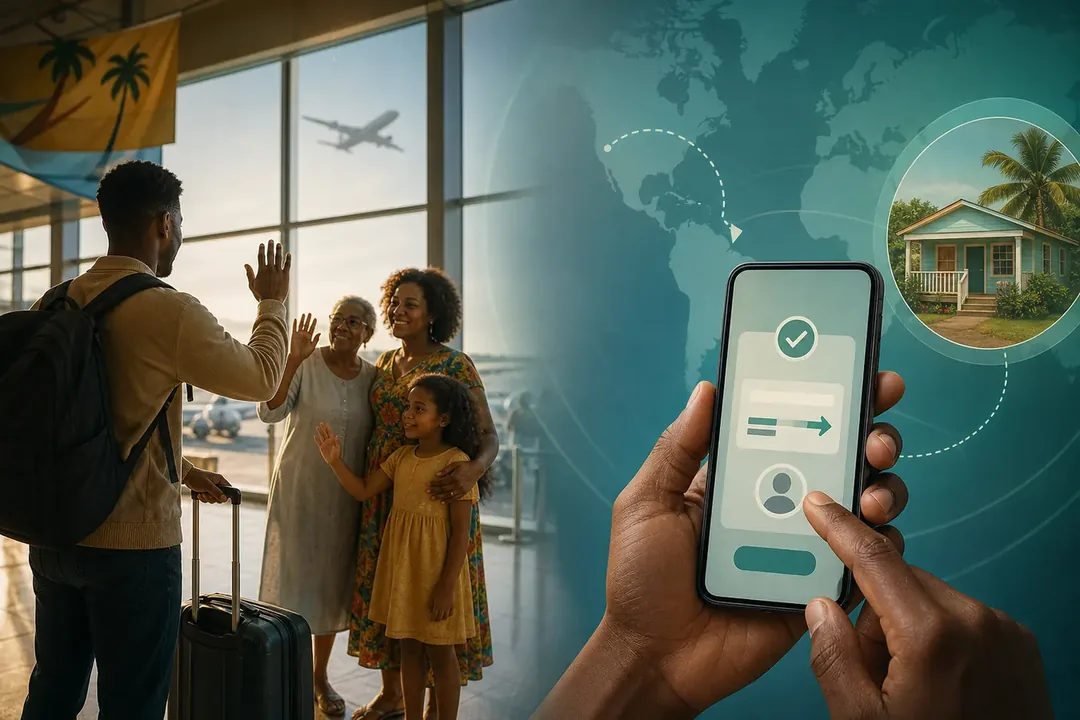
Diaspora remittances meet local checkout
Caribbean families receive over US$18 billion a year from relatives abroad. Why that money rarely reaches local online stores, and what could change it.
Caribbean families received a record US$18.4 billion from relatives abroad in 2024, and the flow kept growing in 2025. Most of that money is collected as cash or a bank credit, and very little of it moves straight into local online shops.
For a Caribbean business, that gap is lost sales. Money that arrives from New York or Toronto often goes through two currency conversions and a queue before it can be spent with you.
How much money we're talking about
The International Organization for Migration (IOM), citing Inter-American Development Bank figures, put Caribbean remittances at US$18.4 billion in 2024. About half came from the United States and a tenth from Canada.
The IDB reports that remittances to the Caribbean grew 10.8 percent in 2025, then slowed to 5.9 percent growth in the first quarter of 2026. Haiti and the Dominican Republic make up most of the money. The Dominican Republic alone received US$11.9 billion in 2025.
For English-speaking islands, the amounts are smaller but often matter more to the economy. These are World Bank estimates for 2023, as reported by the IOM:
| Country | Remittances received (US$) | Share of GDP |
|---|---|---|
| Jamaica | 3.57 billion | 18.9% |
| Guyana | 525 million | 3.1% |
| Trinidad and Tobago | 200 million | not reported |
| St Vincent and the Grenadines | 92 million | 8.8% |
| Grenada | 82 million | 6.2% |
The IOM notes these official figures probably undercount, because informal transfers are not tracked.
Jamaica, month by month
The Bank of Jamaica publishes the most detailed data in the region. Its December 2025 bulletin shows total inflows of US$3.49 billion for 2025.
December alone brought in net remittances of US$315.3 million, up 13.6 percent on the year before. That month, two-thirds of the money came from the United States, followed by the United Kingdom, Canada and the Cayman Islands.
Why the money doesn't reach your checkout
A typical transfer goes through several steps, and each one costs time or money:
- The sender pays a fee and an exchange rate set by the transfer company.
- The family collects cash from an agent or gets a bank credit.
- If they want to buy something online, they may need to convert again or deposit cash into a card or wallet.
- If the shop's payment page declines a local card, the sale falls back to a bank transfer or cash on delivery.
The exchange rate is often where the real cost hides. The advertised fee may be small while the rate is well below the market rate. The World Bank's Remittance Prices Worldwide site lets you compare the full cost by route.
Three ways the money moves
Three types of service compete to handle this money, and each is good at something different.
Transfer companies
Western Union, MoneyGram, Ria and bank transfer services have the agents and the trust. They are best when a family needs cash tomorrow. They are not built for paying a shop.
Instant bank transfers
Guyana announced that its Fast Pay system for instant transfers between local banks would start on 2 June 2026. As we noted in our Fast Pay post, an official launch notice has not yet been published. Trinidad and Tobago signed an agreement with India's payments body in September 2024 to build something similar. Systems like these help with payments inside one country, but they do not handle money from abroad.
Wallets and online checkout
Wallets such as Wam in Trinidad let shops accept card and wallet payments through a hosted payment page. They work best when the buyer already has money in a local digital wallet.
What this means for your business
If many of your customers rely on money from family abroad, a few steps can help:
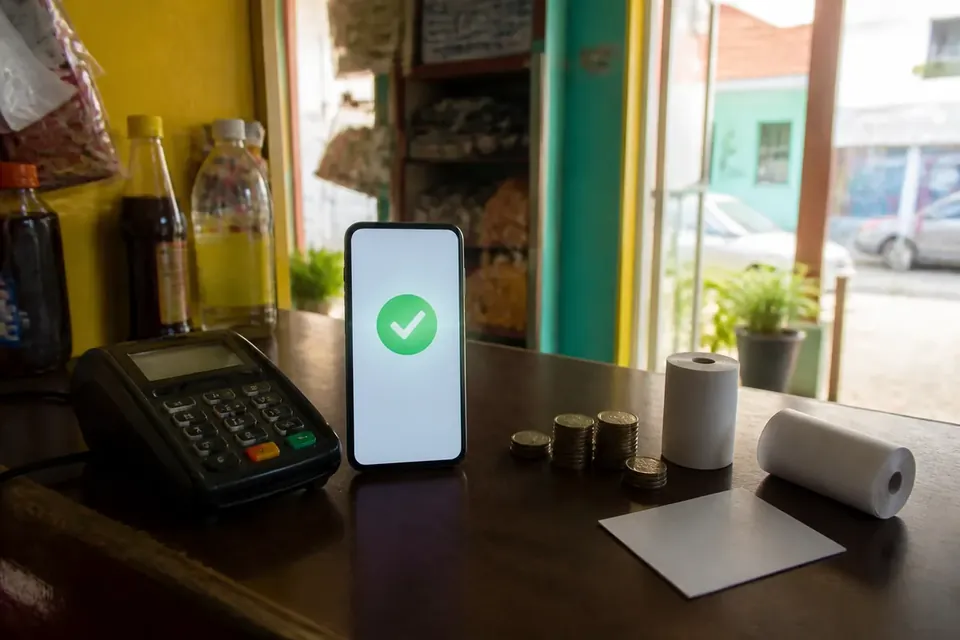
- Offer a payment link your customer can open on WhatsApp, so they don't have to visit a branch.
- Let relatives abroad pay you directly by card for big purchases like school fees, appliances or building materials.
- Plan stock around the December peak, when remittances jump.
For households, the useful question is how much arrives after all fees and conversions, and how quickly it can be spent.
What to watch
Watch central bank bulletins, especially Jamaica's, for changes in where the money comes from. A US tax of 1 percent on certain remittances took effect on 1 January 2026, and the IDB has seen no major impact so far.
Watch whether wallet providers launch products that let relatives abroad top up a Caribbean wallet directly. That would cut out a conversion step and bring more of this money straight to local businesses.