
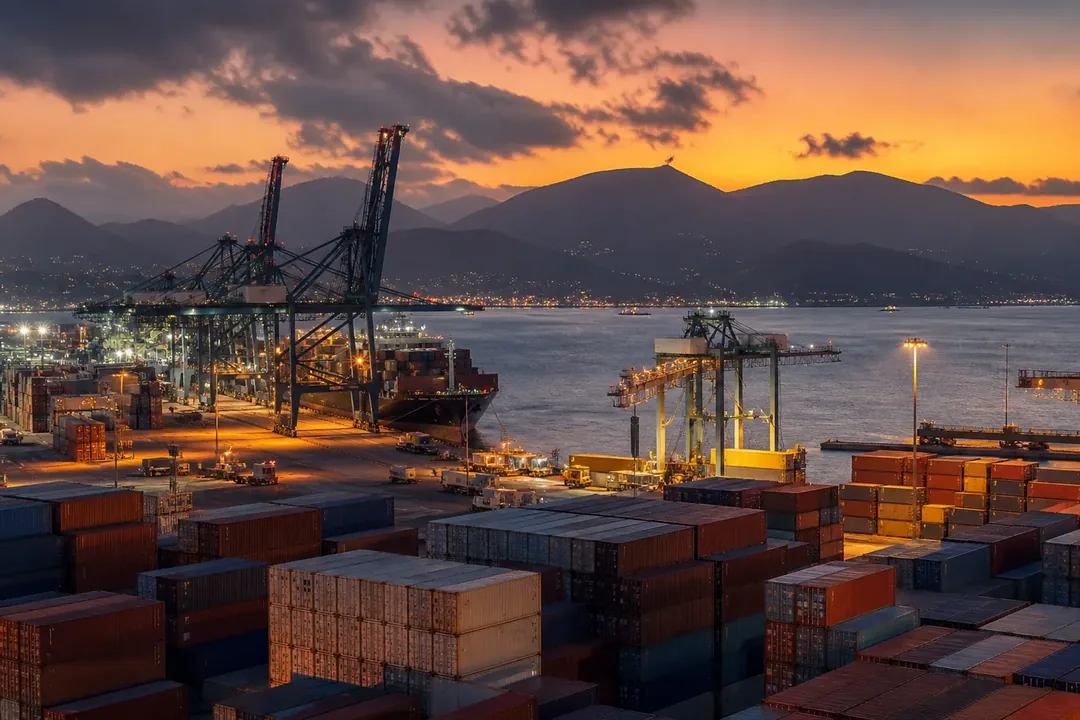
Caribbean ports go digital, one form at a time
Global rules have required online ship paperwork since 2024. Where Caribbean ports stand, what Trinidad launched and what it means for importers.
Since January 2024, every country in the International Maritime Organization (IMO) has been required to handle ship arrival and departure paperwork through one digital system. Caribbean ports are catching up at different speeds, and Trinidad and Tobago launched its own platform in March 2026.
For importers and exporters, this matters because every hour a ship or container waits on paperwork adds to the cost of goods on your shelf.
What the rule says
The rule is called a Maritime Single Window. It came in through changes to the IMO's Facilitation Convention, a global treaty on port procedures.
In plain terms, a ship's agent should submit its information once, online. Customs, immigration, port health and the harbour master then share that same data instead of each asking for their own forms.
The IMO's own industry survey shows how far there is to go worldwide:
- 40 percent of respondents didn't know the rule existed.
- In 64 percent of port calls, authorities still wanted paper or a mix of paper and digital forms.
- Agents spent an average of 191 minutes preparing documents for every port call.
What's coming next
In March 2026, an IMO committee approved a wider strategy on maritime digitalisation. It goes to the IMO Assembly for adoption in 2027.
The same committee approved draft rules requiring countries to protect their single windows against cyber attacks. They are due for adoption in 2027 and expected to take effect on 1 January 2029.
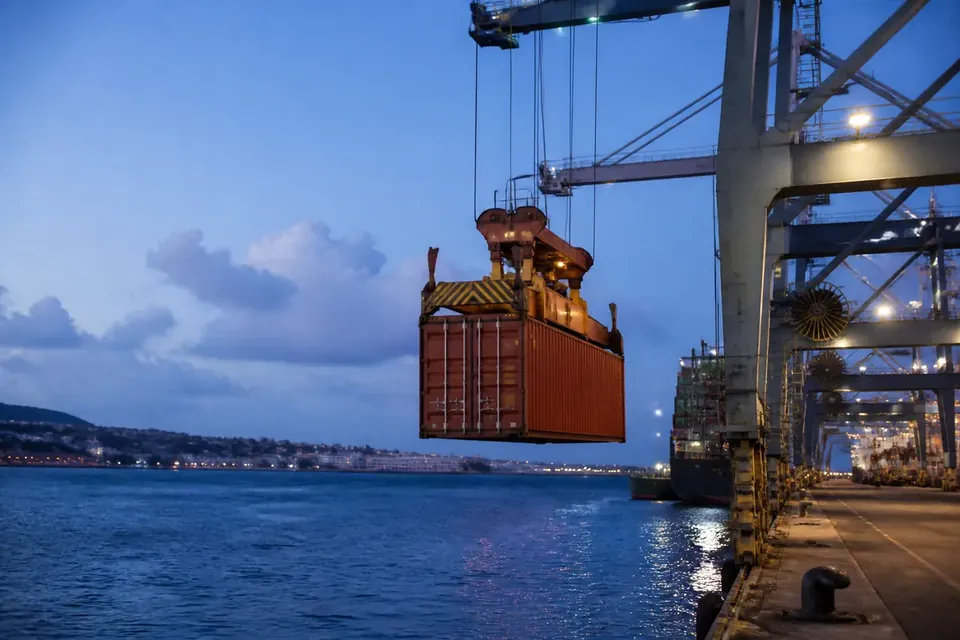
How Caribbean ports are doing
The Port Management Association of the Caribbean (PMAC) surveys its members each year. Its 2026 report, covering 18 territories, found that ports are no longer asking whether to go digital. They are working out how to do it faster.
Key findings:
| Finding | Detail |
|---|---|
| Terminal software | 84% have or are installing a terminal operating system |
| Top priorities | Port community systems and maritime single windows |
| Progress on those priorities | Roughly flat compared with 2025 |
| Biggest obstacle | Funding, followed by staff skills |
| Cybersecurity | Highest maturity since the survey began in 2024 |
A port community system goes further than a single window. It links shipping agents, terminals, customs brokers and truckers so everyone can see when a container is ready.
Antigua's head start
Antigua and Barbuda was early. With money and expertise from Norway, it built a maritime single window in 19 months, with the switchover starting in October 2018. The IMO offers the system's source code free to other small island states.
Trinidad and Tobago's new platform
On 23 March 2026, Trinidad and Tobago's trade ministry launched its Port Community System, called PortLink. It is rolling out in stages:
- From 23 March, shipping agents could register and manage vessel records.
- From 31 March, agents could file arrival and departure forms online, including the standard IMO forms.
- Later phases will add cargo manifests, cargo handling, release and delivery, for sea and air.
The cargo stages are the ones importers will notice most. They are being built with Customs and the Ministry of Finance.
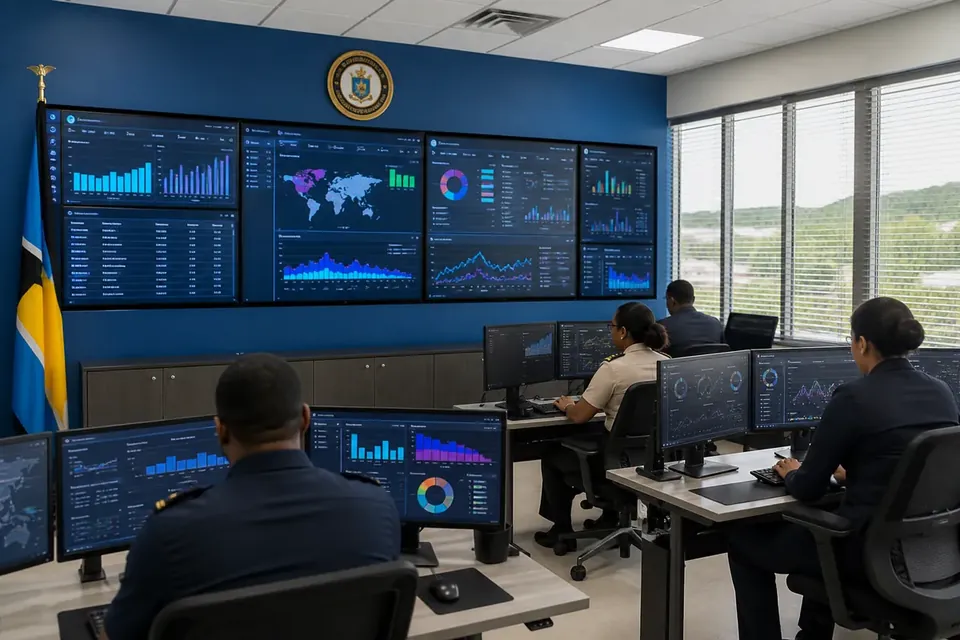
What changes day to day
When these systems work, agents stop filling in the same details for four agencies. Truckers get notice when a container is released instead of waiting at the gate. Release documents arrive electronically rather than by hand.
There are limits. A digital system does not fix a crowded yard, a shortage of equipment or a labour dispute. And a ship that clears quickly in one Caribbean port may still face emailed crew lists at the next.
What to watch
Watch for PortLink's cargo phases and whether Trinidad publishes clearance times before and after. Watch whether other Caribbean ports announce dates when online filing becomes compulsory for agents. Watch how small port authorities find staff for the new cyber security rules due in 2029.
If you import goods, ask your customs broker or freight forwarder whether they are registered on the new systems. The faster they move, the sooner your goods clear.