
CCRIF: how Caribbean climate insurance pays out
CCRIF paid Jamaica US$91.9 million within 14 days of Hurricane Melissa. How parametric insurance works, who it covers, and where its limits are.
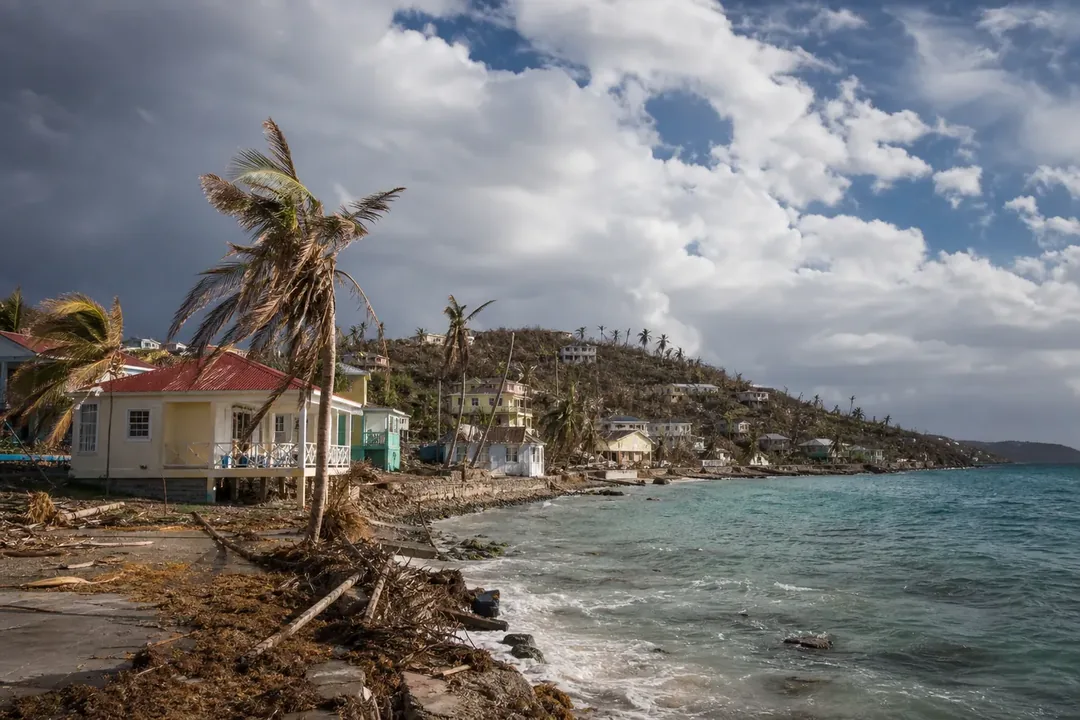
After Hurricane Melissa hit Jamaica in October 2025, the government received US$91.9 million from CCRIF, a regional insurance pool, within two weeks. That kind of fast cash pays for road clearing, overtime and emergency shelter while longer-term rebuilding money is still being negotiated.
CCRIF works differently from the insurance most businesses buy. Understanding how it works helps explain what happens to public money after every storm.
What CCRIF is
CCRIF SPC, the Caribbean and Central America Parametric Insurance Facility, started in 2007 with World Bank support. It describes itself as the world's first multi-country risk pool built on parametric insurance. It is registered in the Cayman Islands.
According to its own website, CCRIF has 39 members:
| Member type | Number |
|---|---|
| Caribbean governments | 19 |
| Central American governments | 4 |
| Caribbean electricity companies | 6 |
| Caribbean water companies | 9 |
| Tourist attraction (Cayman Turtle Centre) | 1 |
It sells cover for hurricanes, earthquakes, heavy rainfall, electricity and water utilities, and fisheries. A seventh product, for river flooding, was offered to selected countries for 2025/26.
How parametric insurance works
Normal insurance pays after an adjuster checks the damage, which can take months. Parametric insurance agrees in advance on a measurement, such as wind speed or rainfall, and a formula. If a storm passes the agreed threshold, the payout follows automatically, based on a computer model of the likely losses.
CCRIF aims to pay within 14 days. Each policy can cover up to US$150 million per hazard.
The trade-off is called basis risk. A village can be badly damaged while the model says the storm was below the threshold, so nothing pays out. The reverse can also happen.
The money paid out so far
From 2007 to October 2025, CCRIF made 82 payouts totalling about US$483 million. It paid a further US$4 million or so through extra cover for smaller storms, and about US$3.4 million for wet season rainfall.
Hurricane Beryl, 2024
Beryl was the first big test of paying many members at once. CCRIF paid US$84.5 million to seven members within 14 days:
- the governments of Grenada, St Vincent and the Grenadines, Trinidad and Tobago, and Jamaica
- Grenada's electricity company, GRENLEC, and its water authority, NAWASA
- the Cayman Turtle Conservation and Education Centre
Grenada's government alone received over US$44 million. NAWASA and the Turtle Centre had joined only in June 2024, weeks before the storm.
The Royal Gazette reported that CCRIF paid more than US$122 million across 14 events in its 2024–25 policy year, its biggest year at the time.
Hurricane Melissa, 2025
Melissa produced the biggest single-country payout. Jamaica received US$70.8 million on its hurricane policy and US$21.1 million on its rainfall policy.

Utilities and fishers are now covered too
CCRIF is no longer just for finance ministries. When an electricity or water company holds its own policy, it can start repairs without waiting for the treasury to pass on money. Grenada's fisheries cover pays out to a sector most property insurance ignores.
In December 2025, CCRIF launched a Livelihood Protection Policy aimed at protecting vulnerable groups after storms and extreme rainfall. Uptake figures have not yet been published.
Trinidad and Tobago is a useful reminder that this is not only about hurricanes. Its rainfall policy has paid out several times, including in 2017, 2018, 2021, 2022 and after Beryl in 2024.
What it can't do
A payout of US$40 million or US$90 million can reopen ministries and patch power lines. It cannot rebuild housing or replace a lost tourist season. That still takes government budgets, development loans and private insurance.
CCRIF's payout list shows no payments yet for the 2026 season. After Tropical Cyclone Cristina in June, it found that modelled losses in Honduras and Nicaragua were below the policy thresholds.
What to watch
Watch whether river flooding cover becomes a standard product. Watch how many people sign up for the new Livelihood Protection Policy. If several big storms hit in back-to-back seasons, watch how CCRIF's reinsurers respond, since they decide whether the pool can keep growing.
If you run a business, remember that government cover does not protect your own premises. Check your own policy for hurricane and flood cover before the season peaks.