
Caribbean agri-food tech versus the import bill
The Caribbean spends billions a year importing food, and the goal to cut that by 25% now runs to 2030. Where farm technology helps, and where it can't.
CARICOM missed its goal of cutting the region's food import bill by 25 percent by 2025, so leaders extended the deadline to 2030. Meanwhile, the Caribbean Export Development Agency warned this month that rising energy and shipping costs will push food prices higher for the rest of the year.
Farm technology is often sold as the answer. It can help, but only where it fixes the real bottleneck, which is usually shipping, storage or buyers, rather than growing.
How big the bill is
The figure most leaders quote is more than US$6 billion a year. CARICOM used that number when it extended the target in February 2025, and the UN in the Caribbean repeated it in July 2026.
CARICOM's own trade workbook gives a narrower count. As summarised by Caribbean Issues, food imports for the covered countries rose from US$3.49 billion in 2020 to US$5.12 billion in 2024. The two figures cover different countries and products, so treat both as rough guides.
A CARICOM official says the region imports more than 60 percent of the food it eats, and some member states import over 80 percent.
Who sells the food
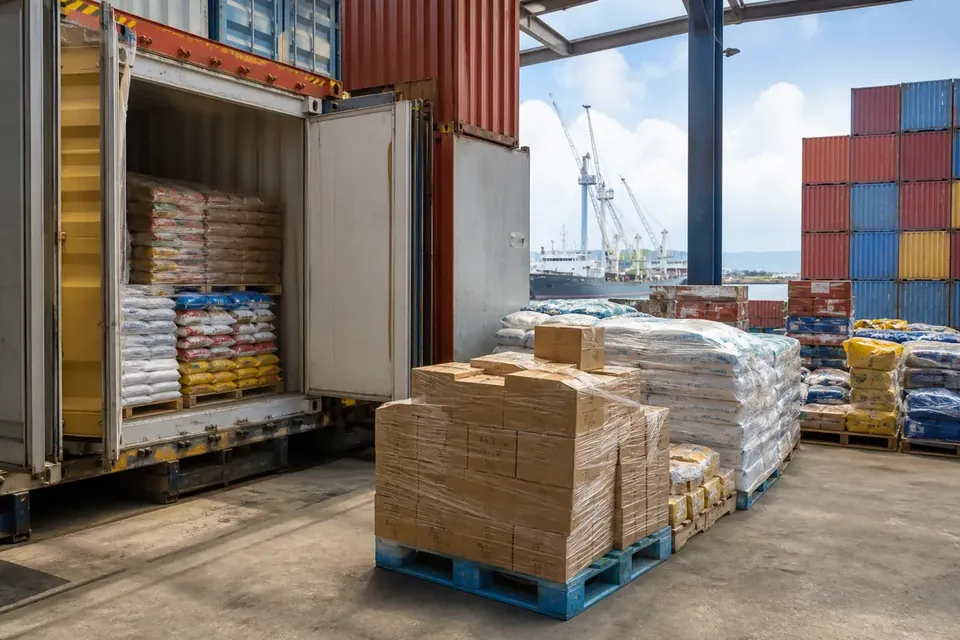
The United States is the biggest supplier by far. The US Department of Agriculture reports that the Caribbean Basin imported US$3.29 billion of consumer-ready food in 2024. Half of it, US$1.64 billion, came from the US, a record. The European Union was a distant second at US$590 million.
In some territories, US dependence is even higher:
| Market | US share of food and drink imports |
|---|---|
| Turks and Caicos | 86% |
| Cayman Islands | 82% |
| The Bahamas | 76% |
Tourism drives much of this. The USDA estimates about 20 percent of these imports go to hotels, restaurants and institutions.
What changed in the 2030 plan
The original goal measured success by the size of the import bill. That proved hard, because the bill rises whenever world food prices rise, even if islands grow more.
The extended plan, called 25 by 2025+5, adds hard production goals. According to the implementation plan sent to CARICOM agriculture ministers, the region aims to produce 4.35 million tonnes of food by 2030. Work runs from 2026 to 2030 and covers financing, trade rules, insurance and digital tools.
There is some good news on trade between islands. CARICOM's data shows food exports within the region grew from about US$467 million in 2020 to US$778 million in 2024.
The money gap
Governments with high debts cannot pay for all of this. In July, a UN-backed forum in Barbados launched a "deal book" of about US$320 million in investment opportunities across seven countries. It covers farming, fisheries, food processing and logistics, and is aimed at private investors.
Where technology actually helps
These are the areas where tech can move the numbers:
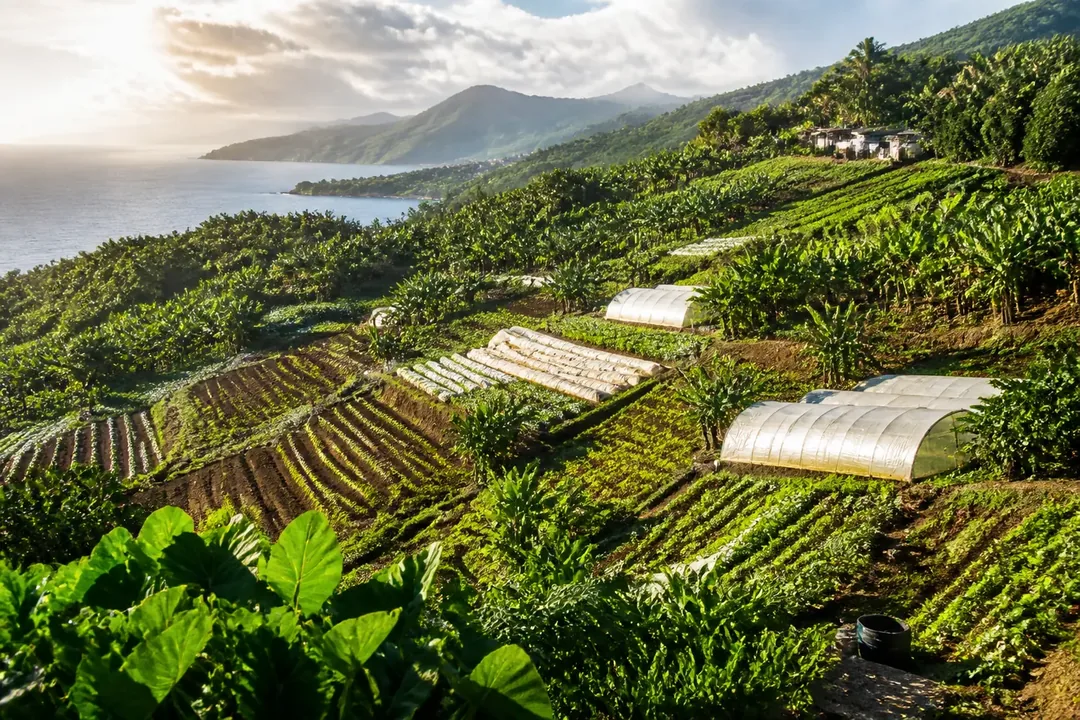
- Greenhouses and shade houses can grow lettuce and vegetables near hotels and cities, replacing produce flown in. The catch is electricity, which can make local lettuce dearer than imported.
- Weather and soil tools help farmers time planting as droughts and floods get worse. They do not solve land, credit or finding a buyer.
- Online marketplaces can connect farmers with hotels and supermarkets, cutting out endless phone calls. They work only if buyers actually use them.
- Cold storage and refrigerated transport matter most for chicken and dairy, two of the biggest imports.
- Crop insurance with automatic payouts, triggered by weather data, helps farmers restart after a hurricane like Beryl in 2024.
What technology can't fix
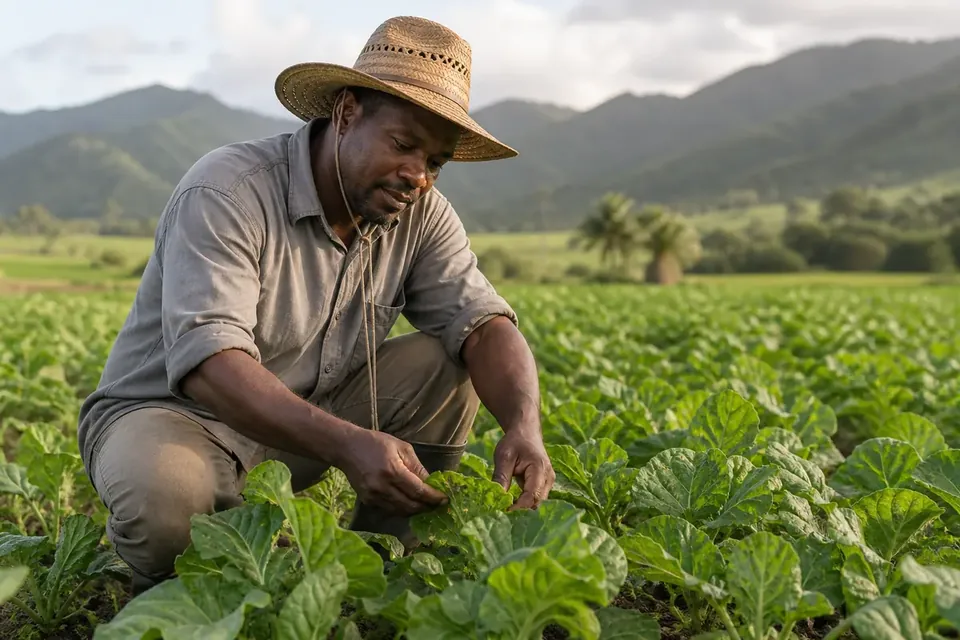
A greenhouse will not stop hurricanes or make islands self-sufficient in wheat. Hotels used to US brands will not switch overnight.
Shipping is still the weak link. Refrigerated boats between islands are scarce, and plant health rules differ from country to country. Until those improve, it is often cheaper for a supermarket in Barbados to buy from Miami than from Guyana.
New rules abroad add pressure too. Caribbean Export's chief, Damine Sinanan, warned that EU deforestation rules and US food tracing rules will make exporting harder. He also said the region's food exports fell 7 percent in 2025.
What to watch
Watch whether CARICOM publishes yearly production numbers, in tonnes, for each priority crop and animal. Watch which deal-book projects actually get funded. If you supply hotels or supermarkets, ask buyers what share of local produce they would commit to in writing. A signed contract does more for a farm than any app.